“Understanding Ethiopia’s Crisis: Causes, Consequences, and Prospects” Panel Held

“Understanding Ethiopia’s Crisis: Causes, Consequences, and Prospects” panel held by our Department of Political Science and International Relations.
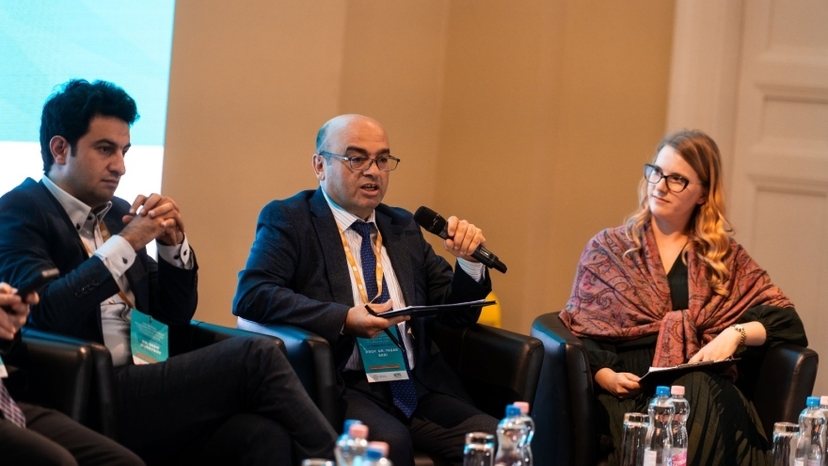
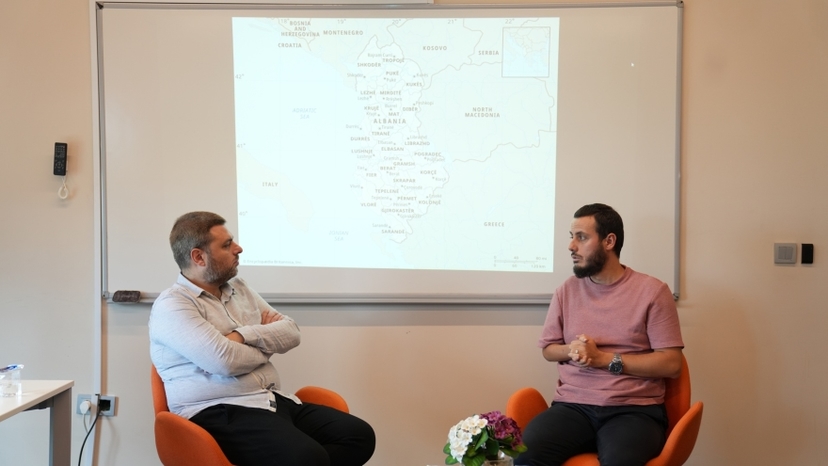
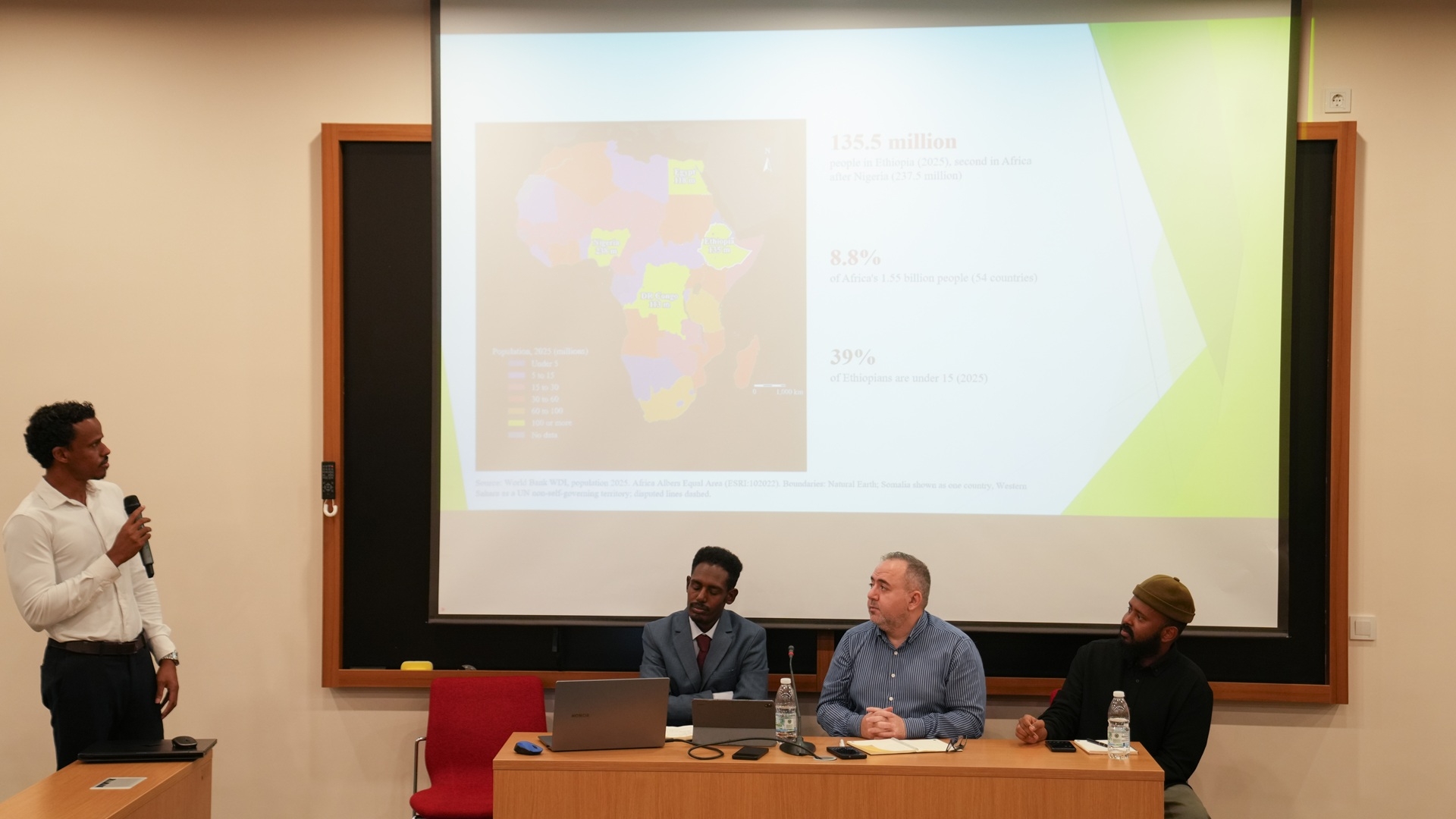
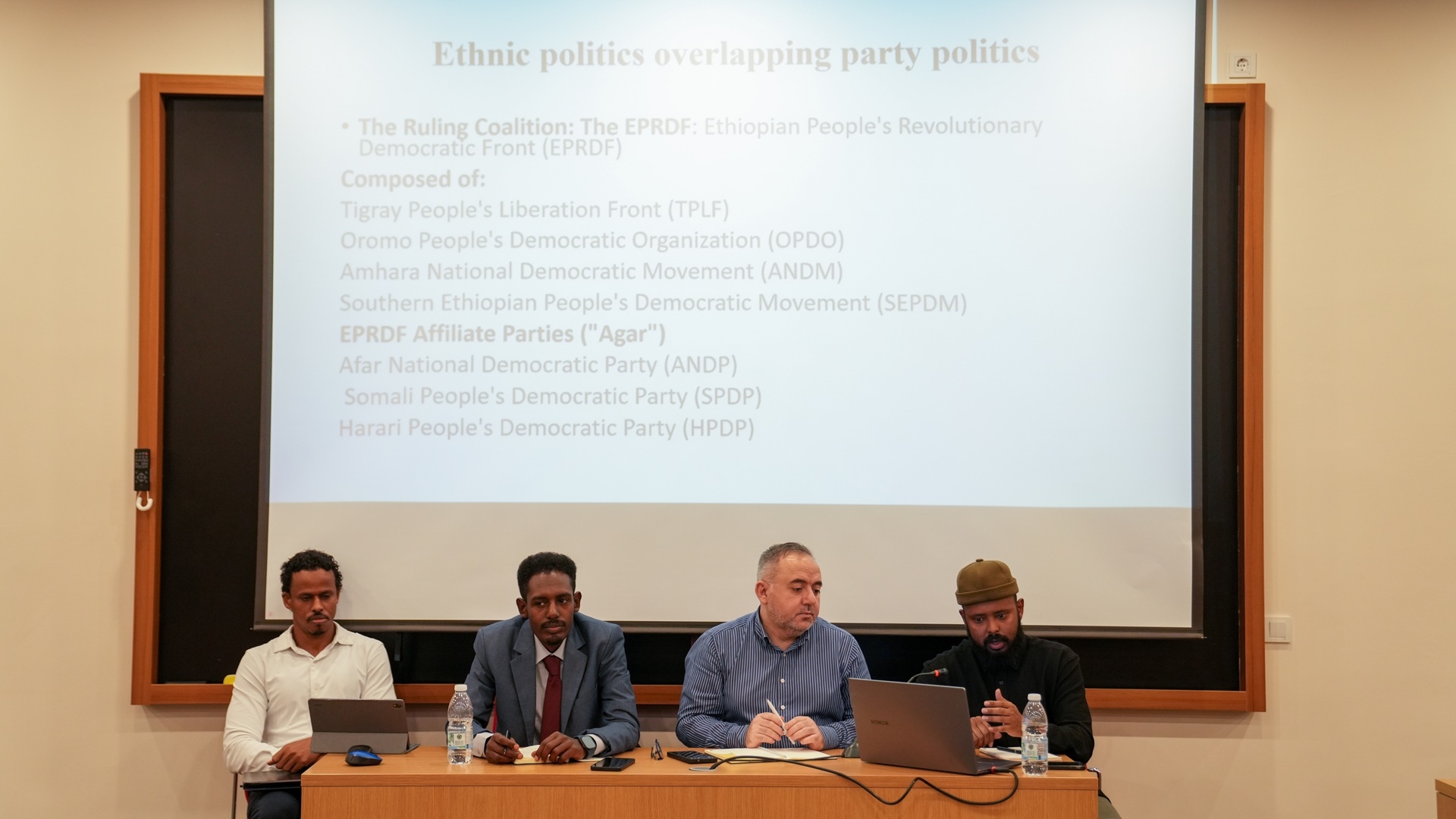
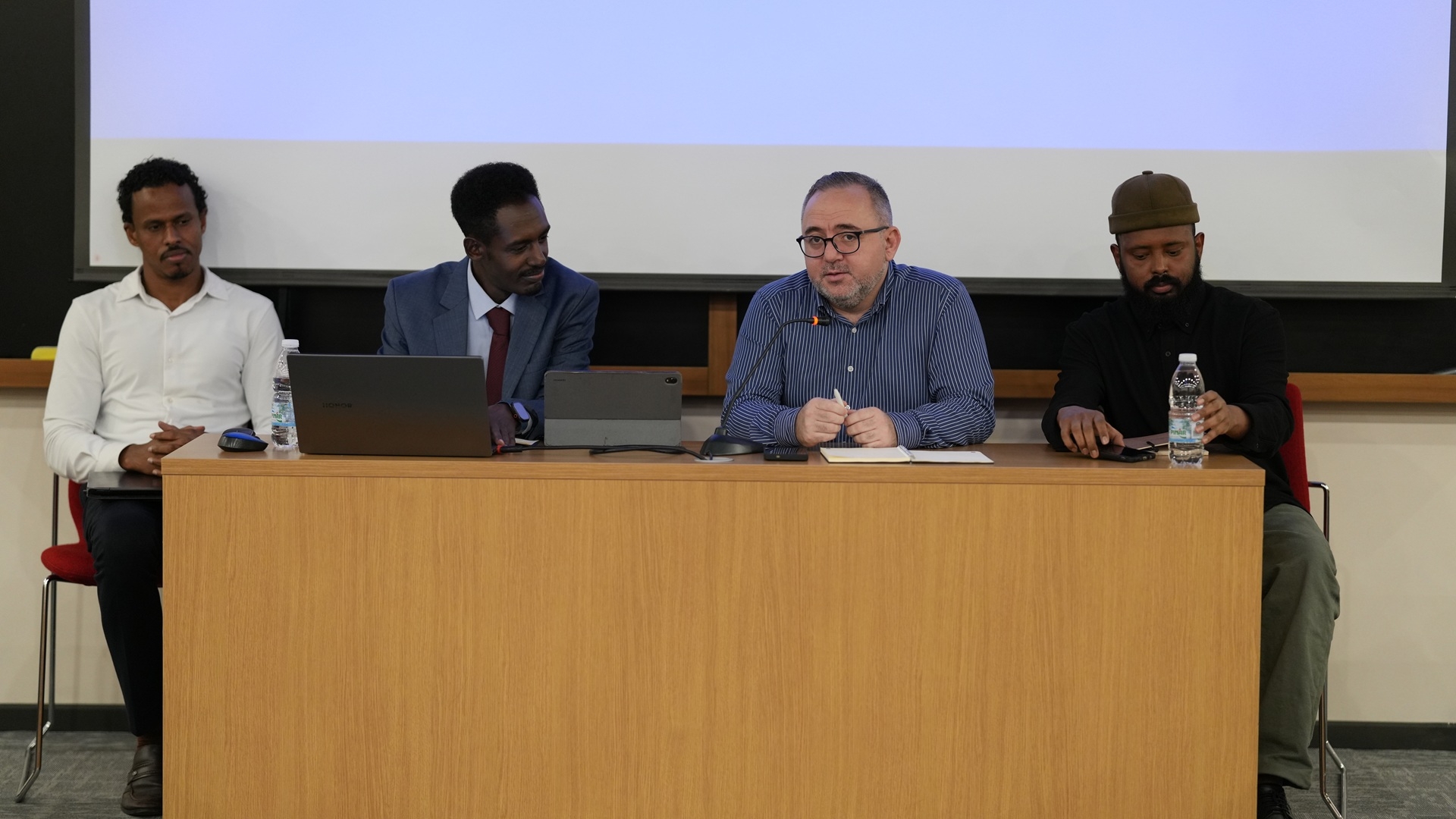
The Department of Political Science and International Relations at Our University held the panel “Understanding Ethiopia’s Crisis: Causes, Consequences, and Prospects” on 3 November 2026 at the Teoman Duralı Conference Hall.
Moderated by Prof. İsmail Numan Telci, the panel featured Dr. Mahat Maalim Ibrahim, Dr. Melese Teferi Adugna and Asst. Prof. Abdirashid Diriye Kalmoy. It came at a critical moment, coinciding with renewed fighting in northern Ethiopia and the severing of diplomatic ties between Ethiopia and Eritrea.
Conflicts and Sustainable Peace Initiatives
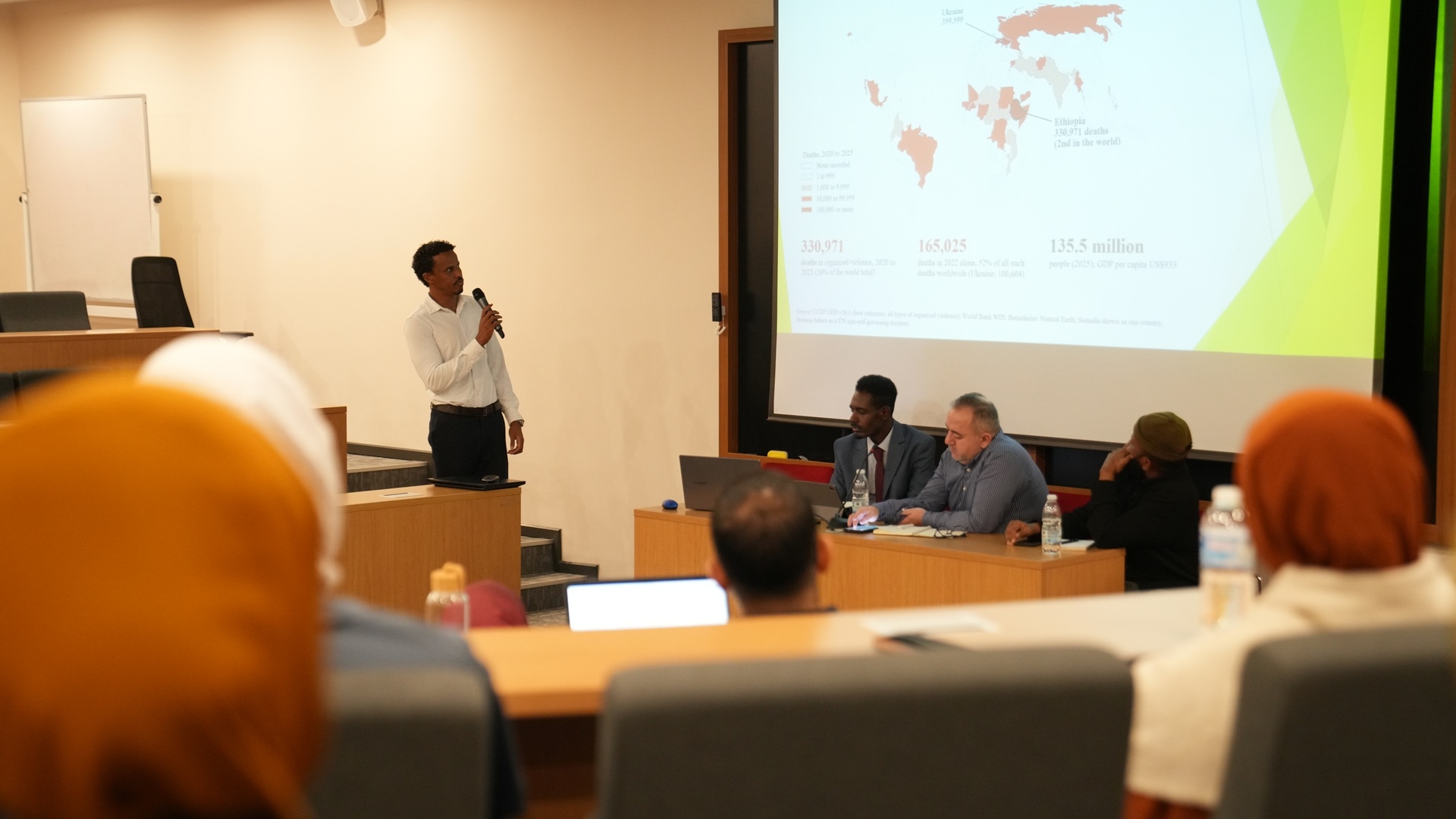
Dr. Mahat Maalim Ibrahim noted that organized violence killed over 330,000 people in Ethiopia between 2020 and 2025, according to the Uppsala Conflict Data Program. Stressing that the 2022 Pretoria Agreement ended the Tigray war but shifted the violence to Amhara and Oromia, Ibrahim said that inclusive national dialogue and accountability are essential for lasting peace.
Dr. Melese Teferi Adugna highlighted the deep linguistic, religious and cultural ties between the peoples of Ethiopia and Eritrea, stressing the importance of distinguishing the peoples from their political leaderships. He noted that the 2018 normalization, which followed the 1998–2000 Badme War and the subsequent “no war, no peace” period, proved short-lived.
Asst. Prof. Abdirashid Diriye Kalmoy explained that although the 1995 Constitution promised ethnic federalism, power in practice remained concentrated in the TPLF-dominated EPRDF. He emphasized that territorial disputes over Western Tigray and Raya remain at the heart of today’s conflicts.
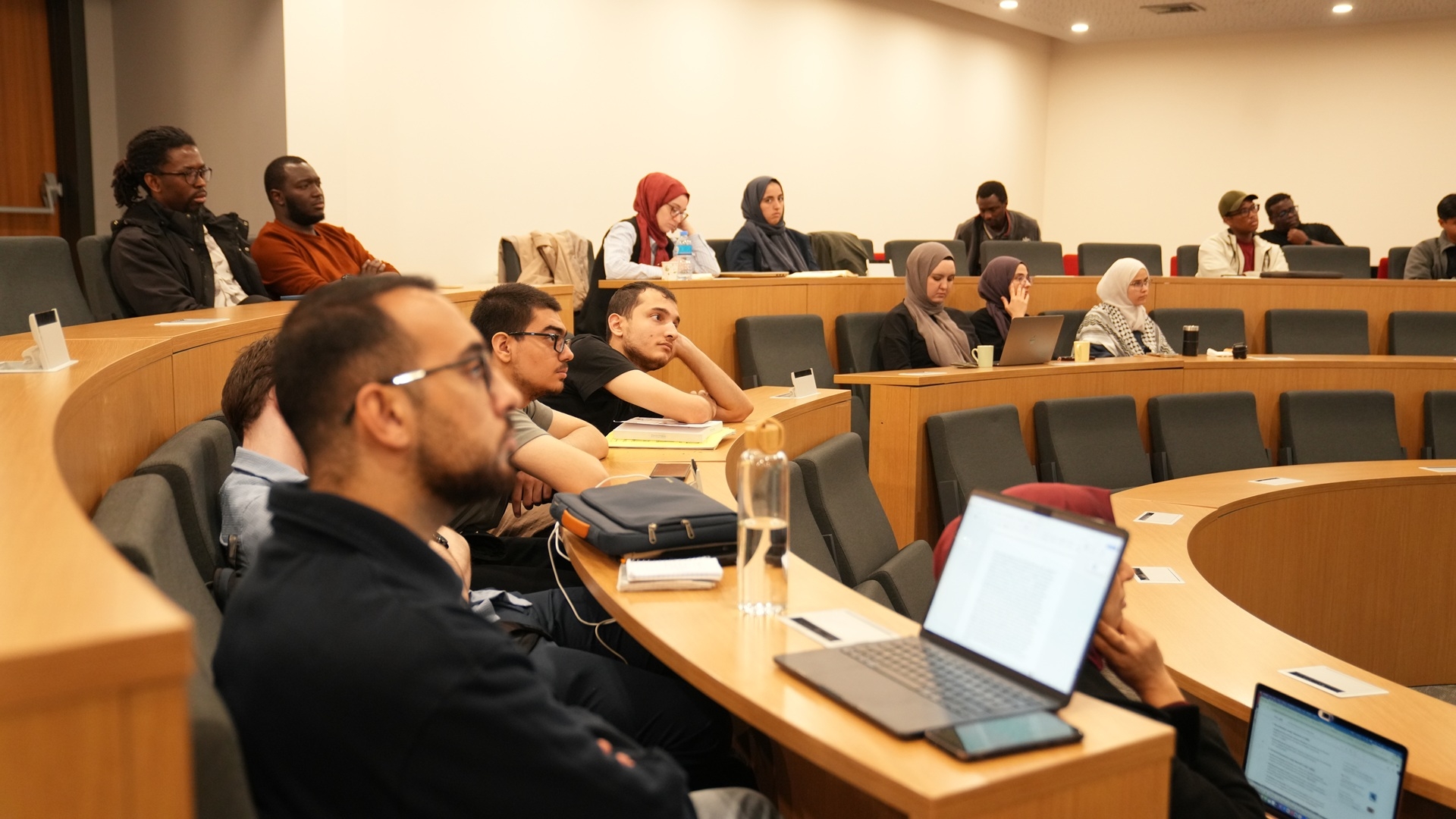
The panel concluded with a lively question-and-answer session.
Photos
Related Content
Prof. İsmail Numan Telci Speaks at July 15 Panel in the Netherlands
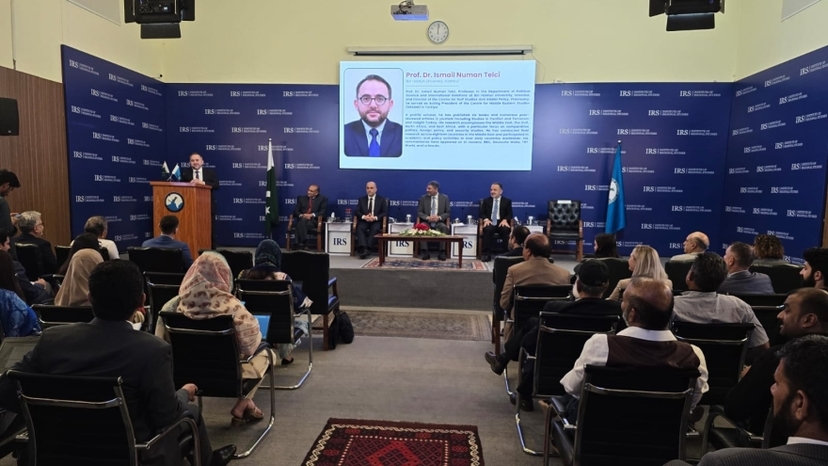
Prof. İsmail Numan Telci Visits Pakistan upon the Invitation of the Ministry of Foreign Affairs
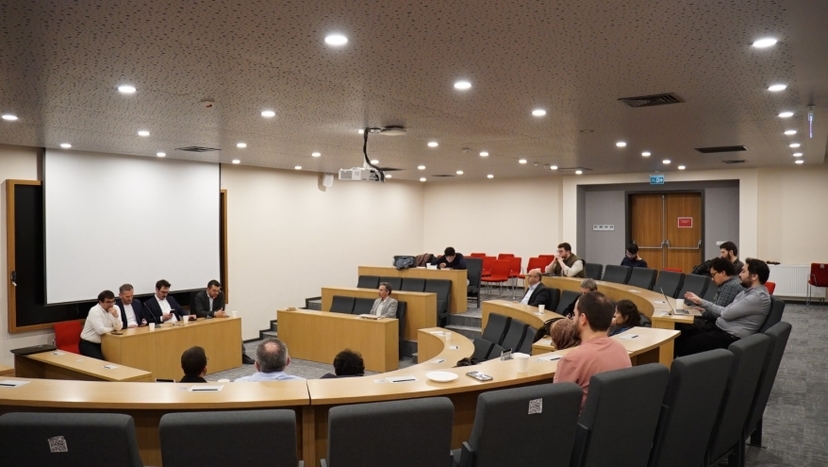
“War in the Gulf and Iran: From Regional Conflict to Global Crisis” Panel Held
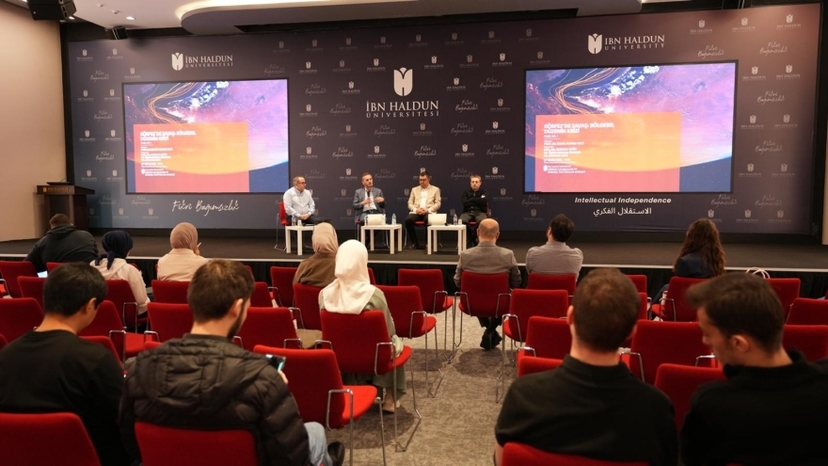
War in the Gulf and the Crisis of Regional Order Were Discussed at the First Panel Organized by Gulf Studies and Global Policies Center
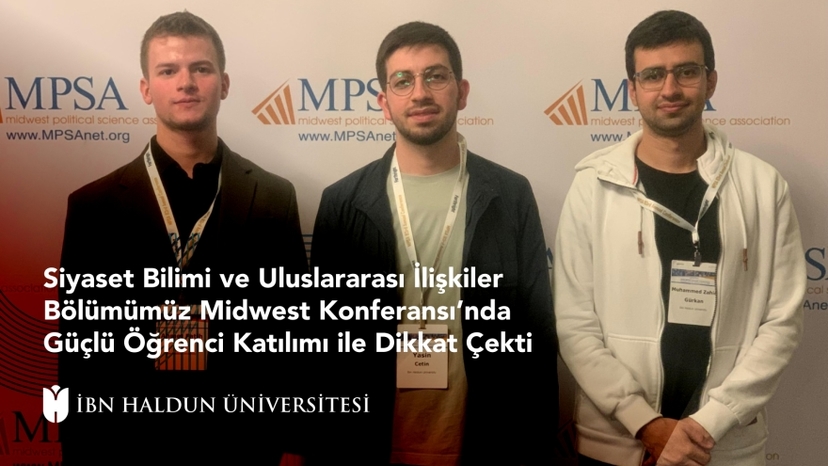
Political Science and International Relations Department Shows Strong Student Presence at Midwest Conference
Assist. Prof. Stephen Siu Kay On Presented a Paper at the Marmara Political Science Congress
Assist. Prof. Sümeyye Kaya Uyar and Research Assistant Mustafa Yıldırım Presented Their Papers at the BISA-ISA Joint Workshops
Assoc. Prof. İdlir Lika Receives Second Prize in the 2021 Richard Gillispie Mediterranean Prize